


Package delivery has become a defining operational challenge for universities. As students rely more heavily on online shopping for everything from textbooks to daily essentials, campus mailrooms and housing teams are under increasing pressure to keep up.
For one university, the issue reached a critical point. What began as a manageable flow of deliveries quickly evolved into an operational bottleneck that strained staff, disrupted students, and exposed the limits of traditional package handling methods. This case study explores how the university addressed the issue and what it reveals about how universities manage student packages effectively today.
The Challenge: When Campus Mailrooms Can’t Keep Up
At this university, daily package volume steadily increased until existing mailroom processes could no longer support demand. Staff were tasked with receiving, logging, storing, and distributing hundreds of packages each day, often within limited space not designed for high-volume storage.
The university faced several compounding issues:
- Insufficient space for secure package storage
- Manual logging processes that slowed distribution
- Long wait times for students retrieving packages
- Increased risk of misplaced or lost deliveries
As delivery traffic increased, staff time was pulled away from other responsibilities, and student frustration grew. Package pickup became inconvenient, inconsistent, and difficult to scale during peak periods.
The Impact on Students and Campus Operations
Package management problems don’t stay confined to the mailroom. They directly affect the student experience and the efficiency of campus operations.
Students expect housing services to match the convenience they experience elsewhere. Delayed notifications, limited pickup hours, and crowded mailrooms conflict with expectations shaped by modern housing amenities and technology-forward campuses.
These challenges align with broader insights into the amenities students care about most in new housing, where convenience, accessibility, and reliability play a major role in satisfaction.
From an operational standpoint, the university experienced:
- Increased staff workload and burnout
- Difficulty maintaining accuracy during high-volume delivery days
- Limited flexibility to accommodate continued growth in package volume
It became clear that the university needed a more sustainable approach.
Evaluating University Package Management Solutions
Campus leadership and housing operations teams began exploring university package management solutions that could reduce manual workload while improving the student experience.
Key goals included:
- Secure, organized storage for growing delivery volumes
- Self-service access that did not rely on staffing hours
- Automation to reduce errors and administrative burden
- A solution designed specifically for campus environments
Rather than expanding mailroom staffing or repurposing additional space, the university looked for a solution that could scale efficiently without disrupting campus operations.
The Solution: Luxer One Smart Lockers on Campus
The university selected Luxer One smart lockers to modernize its package management process and support both students and staff.
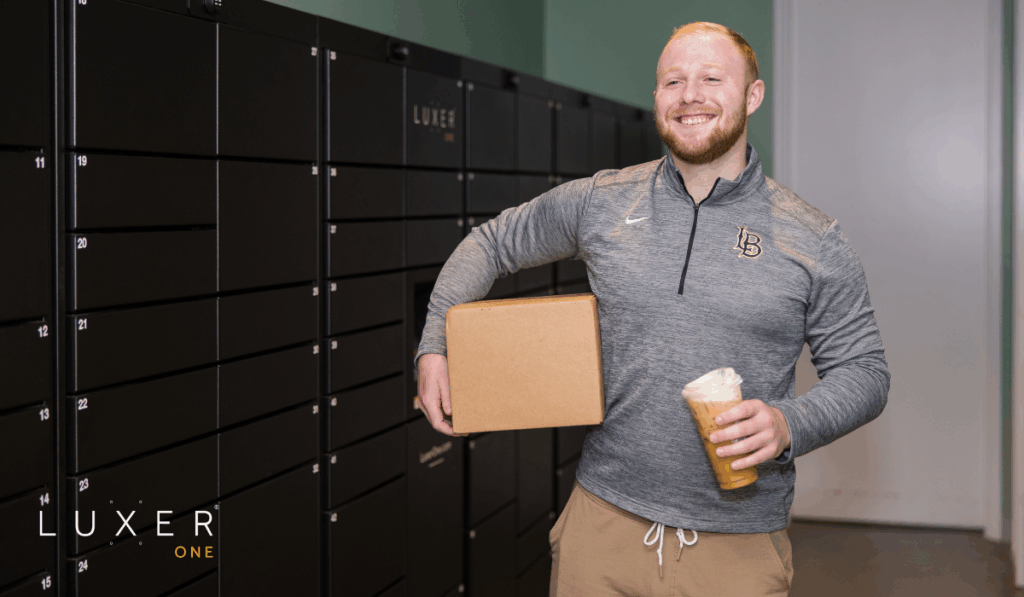
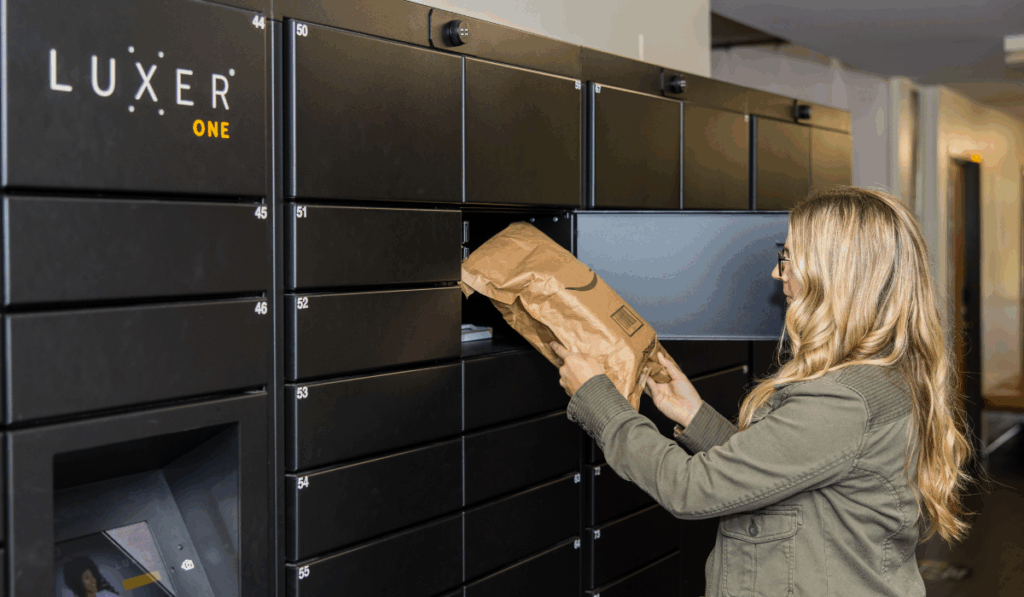
With Luxer One’s system, carriers deliver packages directly into secure lockers. Students are automatically notified when a delivery arrives and can retrieve their packages at any time using a secure access code. This approach aligns with proven best practices outlined in Luxer One’s guide to smart lockers on campus.
The Luxer One solution delivered several immediate benefits:
- 24/7 package access for students
- Reduced congestion and manual handling in the mailroom
- Improved accountability and delivery accuracy
- A scalable system built for student housing and campus operations
The Results: A More Efficient and Student-Friendly Experience
After implementing Luxer One smart lockers, the university saw meaningful improvements across campus operations.
Staff spent significantly less time managing packages manually, allowing them to refocus on higher-priority responsibilities. The system absorbed peak delivery volumes more effectively, reducing stress during busy periods and minimizing errors.
Students benefited from a 60% faster, more convenient package pickup process. Streamlined, 24-hour access allowed students to retrieve packages at their convenience. Secure lockers also helped reduce concerns about lost or mishandled deliveries, reinforcing trust in campus services.
These outcomes mirror results seen across higher education, where smart lockers have helped universities streamline package management while enhancing the student experience.
What This Case Study Shows About Managing Student Packages Today
This university’s experience highlights a broader shift in how institutions approach package delivery. As volumes increase and expectations evolve, manual processes alone are no longer enough.
Smart locker systems like those from Luxer One provide a practical, scalable foundation for modern campus package management. They support staff efficiency, improve security, and align with the convenience students expect from their housing experience.
For universities evaluating their next steps, the University Smart Locker Guide offers deeper insight into planning and implementing campus-wide solutions.
Learn More About Campus Package Solutions
What started as an operational challenge became an opportunity to improve campus life. By partnering with Luxer One, this university transformed package delivery into a reliable, student-friendly system built to scale.
Interested in learning how Luxer One can support your campus? Contact us to learn more about smart locker solutions for student housing and campus operations.
-
Christina Draper, Marketing Content Manager at Luxer One, creates storytelling-driven content that connects with property management professionals and highlights innovations in multifamily package management. With a marketing background from UNC Charlotte, she develops cross-channel campaigns that showcase how Luxer One is redefining the resident experience.
See Posts